©Gautam Krishnan via Unsplash
-
Jun 16, 2026 17:11
To curb overtourism, some European cities have introduced a daily entry tax. While the measure appears to be effective, it places an additional financial burden on vacationers.
Several European cities have decided to introduce a daily entry tax, or tourist tax, to prevent (or at least limit) the harmful effects of mass tourism: pollution, traffic, damage to the environment, etc. This revenue also allows the city to invest in sustainable development. The tourist tax, on the other hand, applies to lodging. All vacationers who spend more than one night abroad pay a tax, which is added directly to their hotel, bed-and-breakfast, or Airbnb bill. The revenue collected allows local authorities to fund certain public facilities and infrastructure. Tourists who pay this tax will not have to pay the excursion tax.
In Europe, it is the most heavily taxed country
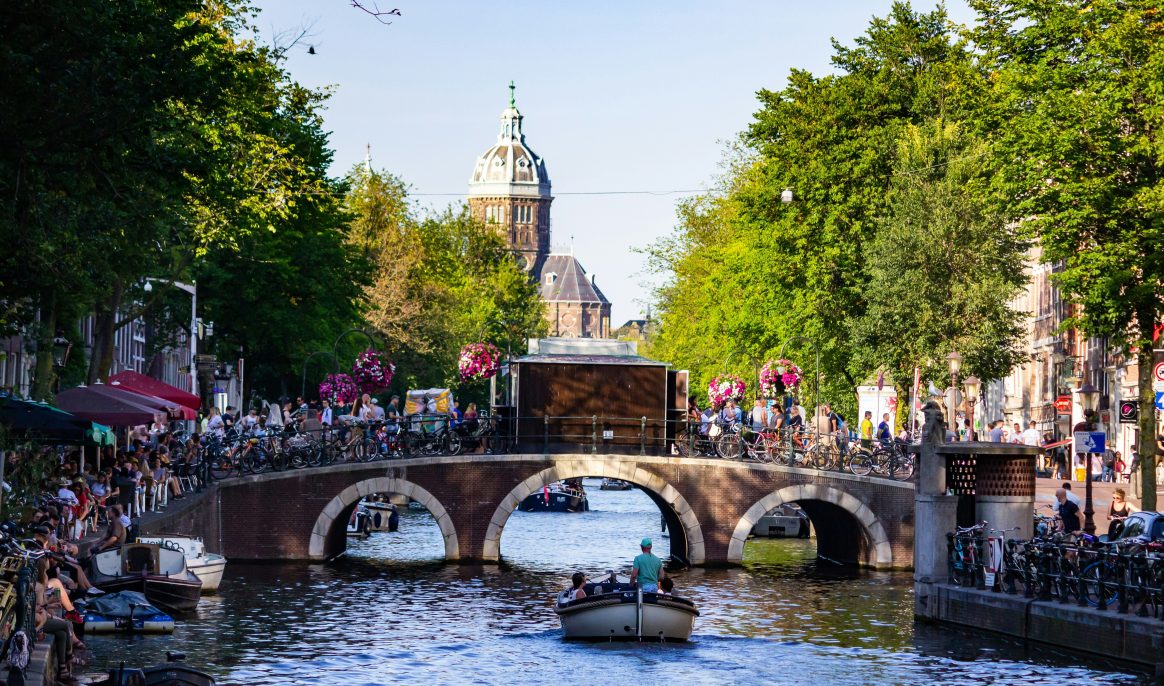
Let’s be clear: these two tourist taxes are intended to discourage visitors. Local authorities set the rates. In the Netherlands, the tourist tax can quickly reach 20 euros per night for a standard room. This is the highest amount in Europe. In addition, a tax of over 10 euros has been imposed on cruise ship passengers since 2024. Spain, Italy, and Germany rank among the top three countries with the highest taxes.
The Most Expensive Tourist Tax
With rates skyrocketing for vacationers who don’t book their access in advance, the daily entry tax caused quite a stir when it was implemented in the city of Venice. And yet, neither Venice nor Barcelona holds the record for the most expensive taxes. To combat the negative effects of mass tourism linked, in particular, to drugs and sex, Amsterdam takes the top spot among cities with the highest tourist taxes, both at sea and on land.
Share: