©Ethereal Optics
-
Jan 12, 2026 05:00
After 25 years of negotiations, delays and crossed vetoes, the free trade agreement between the European Union and Mercosur has entered its decisive phase. On January 9, Coreper, the Committee of Permanent Representatives of the 27 Member States, gave the political go-ahead for the agreement. What also made the difference was the change of position of Italy, which sided with the favorable countries, allowing the necessary qualified majority to be reached.
Although the agreement is presented as an economic opportunity, it also raises new and serious environmental problems, particularly with regard to the import of fertilizers produced at lower environmental standards than those applicable in Europe.
But let's step back for a moment and try to understand what Mercosur is and why the EU considers it strategic.
What is Mercosur?
Mercosur (Mercado Común del Sur) was created in 1991 with the Treaty of Asunción and unites Argentina, Brazil, Paraguay and Uruguay with the aim of promoting regional economic integration. The project aims to create a customs union, with common tariffs to the outside world, and, in the long term, aims to build a true common market on the European model, based on the free movement of goods.
The Mercado Común Sur is a regional economic integration project.
Over the years, Mercosur has become one of the most important economic blocs in Latin America, representing an area rich in raw materials, energy resources and strategic agricultural production, as well as a growing market for industrial goods and services.
The agreement with Mercosur is a good example of a common market.
The agreement with the European Union, politically concluded in December 2024 after more than two decades of negotiations, aims to further strengthen these ties and create one of the largest free trade areas in the world, with more than 700 million people involved.
The text provides for the gradual elimination of tariffs on 91% of trade between the two blocs, marking a significant step in economic relations between Europe and Latin America.
The fertilizer issue
For European industry, the agreement is a bargain: reduced import duties on cars, machinery, chemicals and pharmaceuticals, some of which are currently subject to tariffs of more than 30%. According to the European Commission, the total savings in tariffs would amount to around €4 billion a year.
For Italy, which trades about 14 billion euros with Mercosur, the agreement is also presented as an opportunity for growth. But the focus of the debate quickly shifts when we get into the field of agriculture and the environment.
The agricultural and environmental sectors are also discussed.
The agricultural sector has always been the most controversial issue in Mercosur. In addition to additional quotas for meat, poultry, sugar and ethanol, the agreement revisited a less discussed but central issue: fertilizer imports.
Mercosur countries are major producers and exporters of nitrogen fertilizers and chemicals, which are often made with highly energy-intensive processes, high carbon emissions and less stringent environmental regulations and controls than in the EU. This allows for lower prices, but at the expense of environmental impacts.
To prevent unfair competition, the EU has introduced the Carbon Border Adjustment Mechanism (Cbam), the mechanism that taxes imports with a high carbon footprint. Fertilizers are among the most sensitive sectors.
And this is where Italy's shift in position comes in. To support the Mercosur agreement, the government has called for the effect of the Cbam on fertilizers to be softened, delayed or reduced, arguing that European farmers should be protected from rising costs.
However, the possible result is a paradox: fertilizers produced in a more polluting way can enter the European market with fewer barriers, while EU producers continue to incur high costs to meet stricter environmental standards.
According to NGOs and environmental groups, this choice risks undermining the credibility of European climate policy, taking pollution beyond EU borders without really reducing it, and encouraging an agricultural model more dependent on chemical inputs.
In other words, there is a significant risk that the EU will be unable to meet tougher environmental standards, and runs the risk of externalizing environmental impacts by importing products that Europe discourages or regulates internally.
Agricultural protests
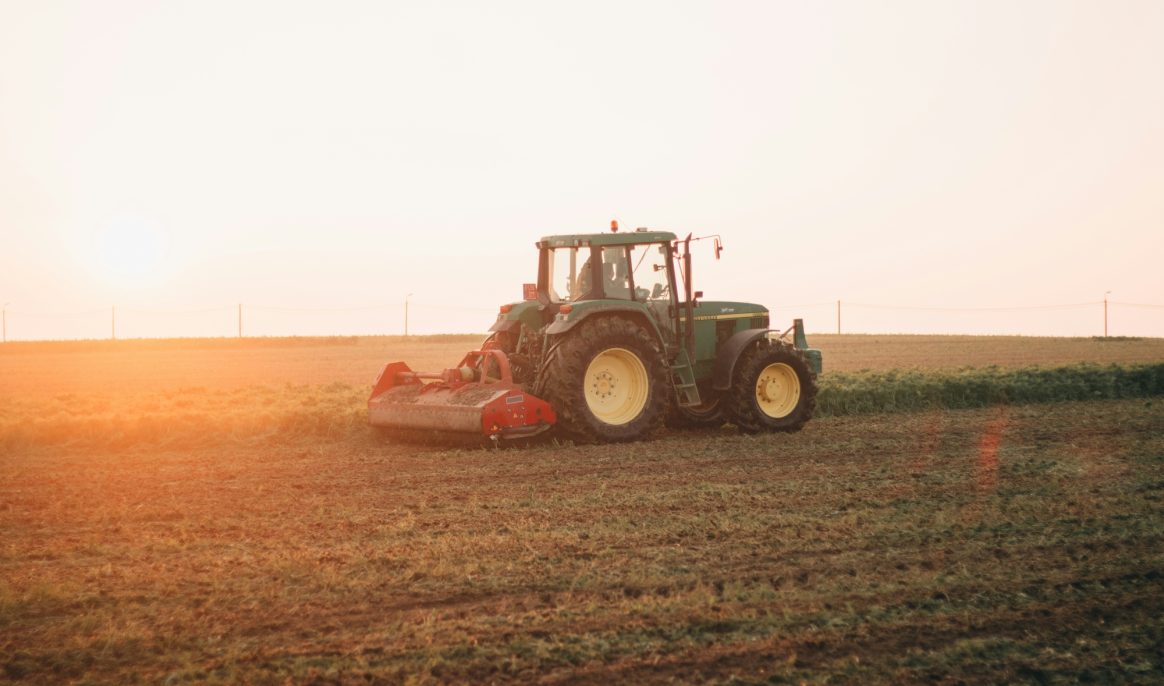
Not surprisingly, protests from the agricultural world have not stopped. In several countries, tractors have again taken to the streets against an agreement perceived as unbalanced, unable to guarantee fair prices, real environmental protection and fair competition.
The European Commission promises precautionary measures, more CAP funds and stricter controls. But for many farmers and environmentalists, the problem remains structural: there can be no ecological transition if free trade rewards more polluting production.
Share: