
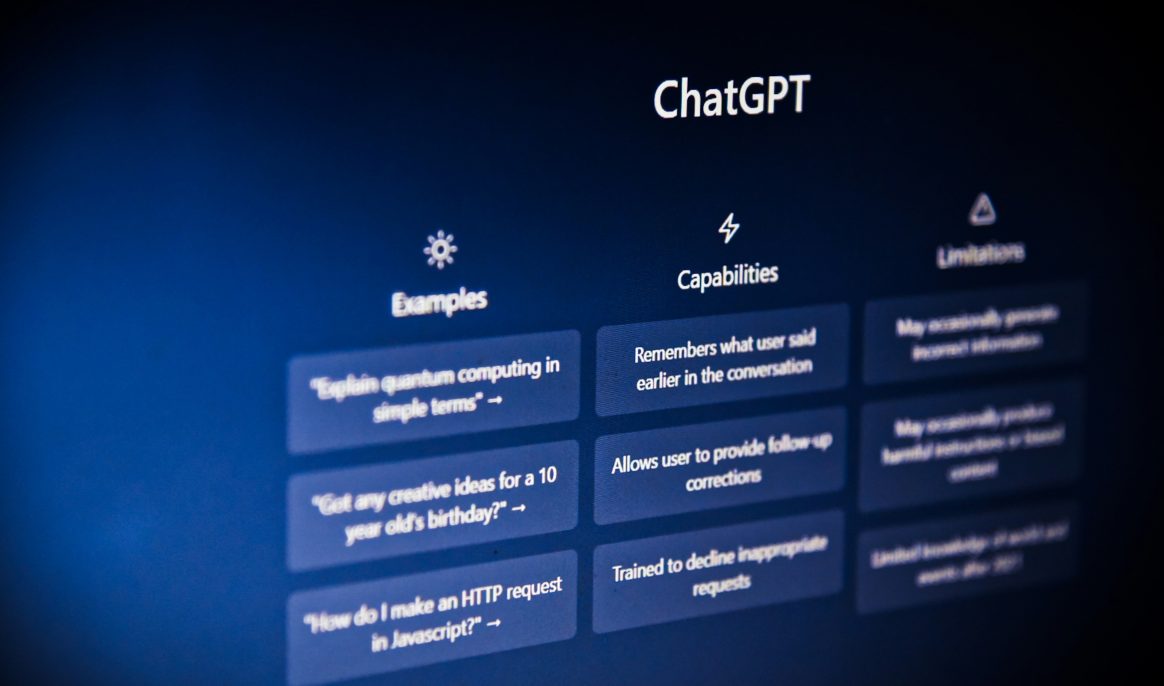
©Levart_Photographer via Unsplash - image d'illustration
-
Sep 06, 2026 10:00
Malta is positioning itself to become the first country in the world to make access to artificial intelligence a genuine mass public service. With the "AI for Everyone" program, the government is introducing an unprecedented measure: one year's free subscription to ChatGPT Plus or Microsoft Copilot for all residents who complete a dedicated training course.
The initiative is the result of collaboration between the Maltese government, OpenAI and Microsoft. It's part of a wider plan to invest around 100 million euros in the island's digital transformation. The aim is ambitious: to ensure that the population is not just a user, but fully aware of AI as an everyday tool.
A compulsory course to access the digital "bonus"
To obtain the free subscription, residency isn't enough: one must follow an online introductory course to AI developed by the University of Malta and the Malta Digital Innovation Authority. This course, available in Maltese and English, begins with an introductory module which lasts around two hours, designed for people with no technical skills whatsoever.
The courses explain what artificial intelligence is, how it works, what its practical applications are and, above all, what its limits are, with the emphasis on a conscious and critical use of the results generated. Only once this basic course has been completed is access to the free annual subscription, which is the heart of the initiative.
ChatGPT Plus and Copilot as public tools
The basic idea is to transform advanced AI tools into a resource accessible to as many people as possible. According to the government, the aim is to avoid the digital divide and ensure that no one is excluded from technological evolution. Deputy Prime Minister Ian Borg summed up the project's vision by asserting that "no one should be left behind", while Microsoft described the initiative as a model based not only on technological infrastructure, but also on human skills.
A model that could set an example in Europe
The Maltese case is part of an international trend in which several countries are testing the integration of AI into education systems and public services. Greece and Estonia have already launched school programs, but never on such a vast national scale. Malta, on the other hand, is banking on a global approach: citizens, students and workers are brought together within a single training platform. In this way, AI is treated almost as an essential public service, on a par with electricity or Internet connection.
The island is thus becoming a veritable laboratory on a global scale. If the project proves successful, it could pave the way for similar policies in other countries, and redefine the very notion of digital literacy. For the first time, access to tools such as ChatGPT is no longer simply a matter of individual choice, but a state-supervised pathway to building a society better prepared for the age of artificial intelligence.
Source: AI GĦAL KULĦADD
Share: