
©Markus Spiske via Unsplash
-
Jun 18, 2026 15:02
Money makes transactions possible between suppliers and consumers. This is one of its primary functions, alongside saving—for future use—and fostering connections, whether political or social. Indeed, using the same currency means participating in the common good.
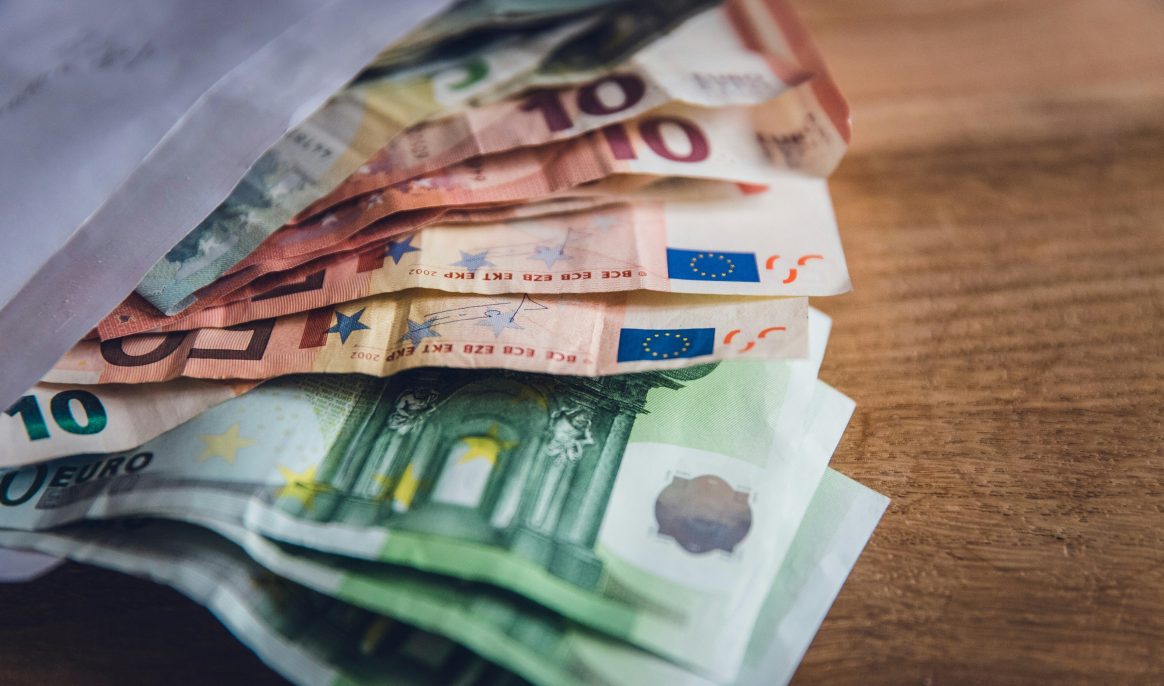
First represented by shells (cowrie shells), then by precious metals (silver and gold), currency initially consisted of an exchange of rare, essential, or useful goods. The first banknotes appeared in Europe in the 17th century; they were much easier to carry. This marked the development of “fiat money”: the banknote is merely a certificate confirming that gold is indeed held in reserve at the bank. “Fiat” comes from the Latin word "fiducia", which means “trust.” This certificate therefore reflects the trust placed in the bank and the government. It is based entirely on this principle. Moreover, currency is also a means for leaders to consolidate their power by having their likenesses printed on banknotes and coins.
The advent of book money
This currency is not physical; it is dematerialized. It therefore exists in a bank account in the form of accounting entries. To finance the projects of individuals and businesses, commercial banks are responsible for both creating and managing this money that we cannot see.
The successive use of checks and then bank cards experienced a huge boom in the 20th century, gradually phasing out the use of paper currency. And although the money we possess today is primarily virtual, this accounting system remains tied to the real world: at any time, it is possible to convert this money into actual banknotes by using an ATM.
The value of a currency in the market
In an international economy, currency governs the exchange of goods and services. And the more this currency is in demand and used, the more its value increases. This is the law of supply and demand. Other key factors also influence its value: central bank interest rates, a country’s balance of imports and exports, and its economic health (growth or inflation).
Share: