©Unsplash
-
Jan 15, 2026 17:00
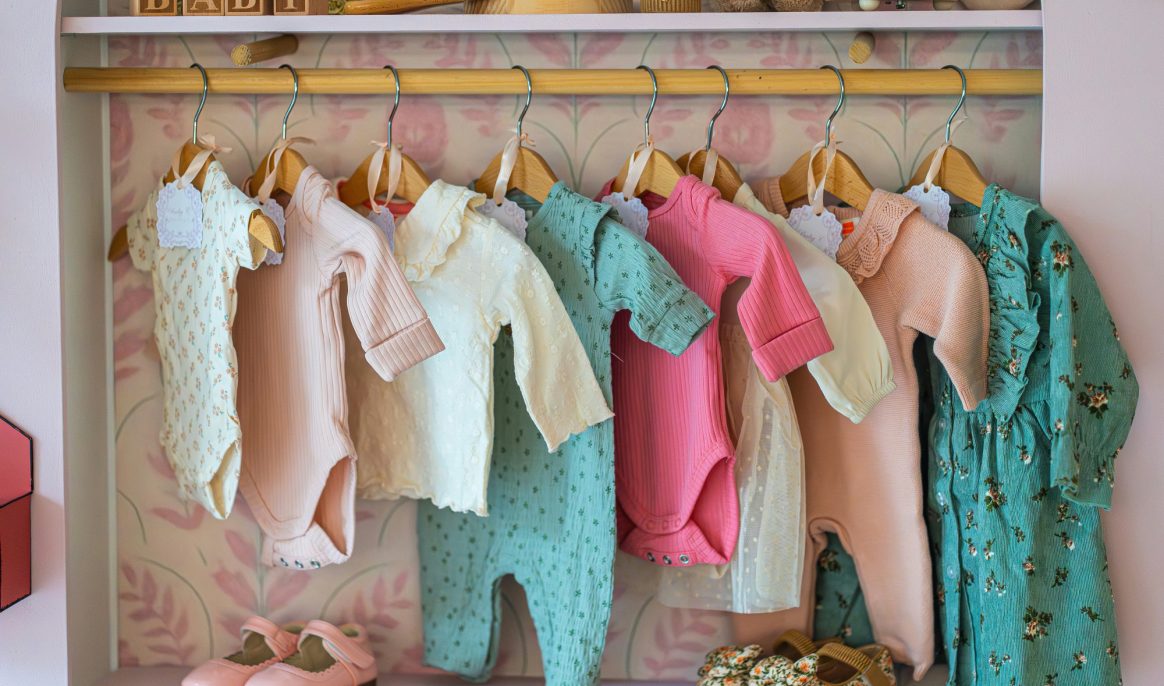
Every year, thousands of children's items are put up for sale on second-hand platforms such as Vinted. The reason is simple: children's products are scarcely used and can be found at low prices.
As well as saving money, platforms such as Vinted have a significant environmental advantage: giving a second life to baby prams, clothes and toys equates to reducing waste and the production of new items.
What not to buy second-hand
But beware: not everything that's sold and already been used is safe. According to the experts at French magazine 60 Millions de Consommateurs, here's a list of second-hand items you should never buy:
Car seats
Experts are unanimous on this point: if the seat has been involved in an accident, even a minor one, it may no longer provide optimum protection for the child. As Rémi Portes, co-founder of Yolo Baby, explains, the seller may be acting in good faith, but is unaware that the seat has invisible micro-fractures. Plastic also ages and becomes brittle after 6 to 10 years.
Bottles, teats and teething rings
These objects come into direct contact with the child's mouth and may contain invisible micro-cracks, bacteria or mold. It's better to invest a few euros in new CE-certified products that are BPA-free (bisphenol A is considered an endocrine disruptor).
Nasal aspirator
Like pacifiers, for obvious hygiene reasons, nasal aspirators should be bought new. The only exception? Models with disposable tips that have never been used.
Milk pump
The breast pump is a personal hygiene device. Even if you replace the parts that come into contact with milk, it's impossible to be certain that the motor has never been in contact with liquids. True domestic disinfection is unrealistic: always buy new.
Thermometers
There is the same argument for rectal, forehead or ear thermometers. It may have been used on a sick child and not properly cleaned. What's for more, the CE guarantee is valid for two years: after that, accuracy is no longer guaranteed. And the difference between 37.5°C and 38.5°C can be crucial.
Padded bumper pads
These are not recommended by all healthcare professionals, whether new or used. They can obstruct the infant's breathing, trap heat and increase the risk of suffocation. The crib should always be kept free of cushions and lint.
Electronic and battery-operated toys
Electronic toys are difficult to disinfect properly. It's best to buy new ones, especially for the first few months of a baby's life.
Shoes
Shoes adapt to the shape of the wearer's foot. The soles can be deformed, and if they are reused, this deformation can affect the posture of the new little owner. Before the age of two, it's best to buy new shoes to ensure proper gait development. After that, second-hand shoes are acceptable, as long as the soles are straight.
What can be bought second-hand
Some baby products can be bought second-hand, but must be evaluated very carefully. It's important to check for stability, stitching and material integrity. Diapers and baby carriers, for example, should have intact fabrics, washed at 60°C, while changing tables, highchairs, cots and travel beds need clean surfaces, mattresses without tears or holes, and sturdy frames without missing screws or cracks. Deckchairs need perfectly intact harnesses and frames.
Even appliances such as blenders and stoves need to be carefully inspected. CE marking should also be checked, and any parts in contact with food replaced (they could contain BPA or harmful plastics).
While choosing second-hand items is an economical gesture and a great environmental responsibility, let's always remember that our children's safety comes first.
Source : 60 Millions de Consommateurs
Share: