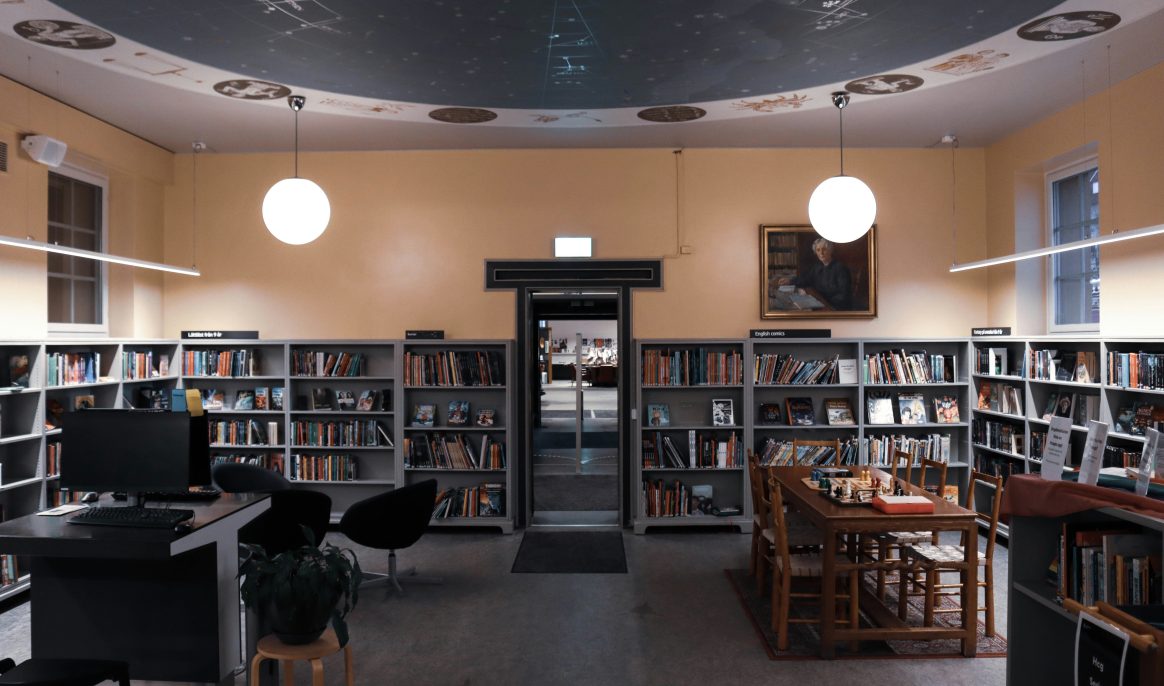
©Daniel Forsman via Unsplash
-
Jun 22, 2026 11:05
Has it become the new hotspot for finding cheaper plane tickets? Is the village library making an unexpected splash in the financial news?
At least that’s what several content creators on platforms such as TikTok and Instagram are claiming. Ellyce Fulmore, for example, a personal finance coach, recently shared a unique experience that generated a phenomenal buzz. “It worked for me. We got a flight for $500 less by booking on the library computer. What’s with this conspiracy theory?” she wrote in a post. According to avid fans of the “public computer” technique, the savings can sometimes reach thousands of euros.
Tracking cookies or the story of a myth
The trend, analyzed by the American magazine Fast Company, originated in a video by influencer (a regular proponent of conspiracy theories) “@talia_likeitis.” The argument put forward is nothing new: she explains that travel agencies and data resellers track our browsing history and then resell this valuable information to airlines. The result? Airlines are supposedly able to identify our maximum budget and raise fares accordingly.
Connecting from a public library computer—a entirely anonymous device—would supposedly allow us to outsmart the algorithms. It’s a tempting theory, giving the impression of taking the reins away from the Titans of the skies… but in reality, it’s nothing more than an illusion.
The airline market under the spotlight of reality
When faced with the facts, the myth inevitably crumbles. Experts state with certainty: airlines do not set prices based on your search history. And if fares fluctuate like a roller coaster from one minute to the next, it’s solely because the plane fills up in real time and the cheapest tickets are sold first.
Some airlines, such as Delta and JetBlue, have in fact firmly denied using browsing data to adjust their pricing. And if Ellyce Fulmore paid less by booking at the library, it’s probably just a coincidence: prices, at that exact moment during her search, had simply dropped across the board.
When trust is broken
The real takeaway from this story lies less in the effectiveness of the hack than in travelers’ growing distrust of airlines. With the proliferation of ancillary fees (extra baggage, seat selection, payment options), prices have gone up in recent years, leaving consumers frustrated and trapped in an opaque system.
Suspicion has gradually taken hold, prompting travelers to try any trick they can to circumvent the pitfalls of online marketing. In reality, then, this “anonymized database” is nothing more than a digital mirage—a symptom of advertising credibility that has been severely eroded.
Share: