
©Bruna Frias
-
Jan 13, 2026 04:00
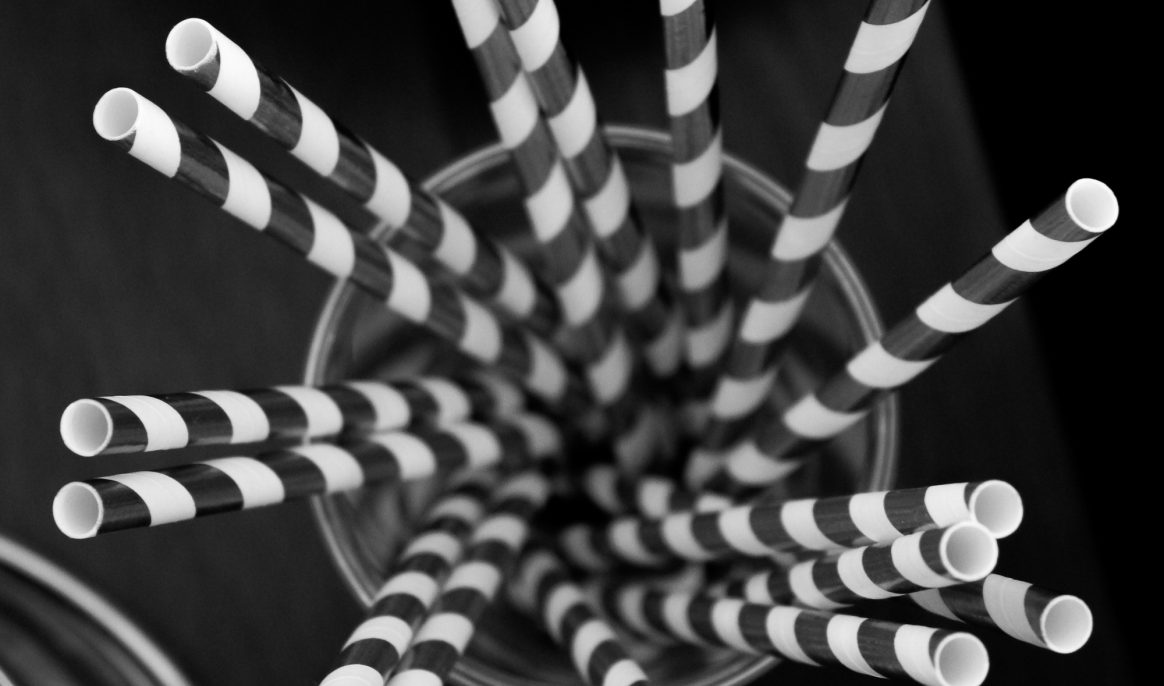
In Japan, paper straws introduced to reduce the use of disposable plastic quickly became the subject of consumer complaints: too soft, often unusable during consumption and capable of altering taste.
Faced with this wave of protests, the two giants, McDonald's Japan and Starbucks Japan, decided to change course.
McDonald's had already announced that, as from November 2025, its 3,000 or so restaurants would be phasing out paper straws for cold drinks and replacing them with spout caps that do not require a straw.
Although the new closures are not made of paper, they do not pose a threat to the environment. They are, in fact, made from recycled plastic from PET bottles, a solution designed to reduce the use of petroleum-derived raw materials.
Starbucks, for its part, had already abandoned paper a year earlier and opted for biomass plastic cups made from plant-based materials.
From ecological obsession to a return to comfort
The search for alternatives to plastic is nothing new. Some fifteen years ago, images of turtles and fish trapped in waste went viral around the world, triggering a general mobilization. In Japan, a 2022 law obliged restaurants and stores to present plans to reduce the use of single-use plastic, in favor of alternatives such as paper, considered more biodegradable. But the initial enthusiasm quickly ran up against the daily experience of consumers, who preferred comfort as opposed to the ecological symbol.
Today, companies are seeking a more realistic balance. In addition to the new lids, McDonald's is also offering to-go bags made from 95% plant-based bioplastics, which have already been tested in one store. These have already been tested in a Nagasaki store and are ready to be rolled out nationwide. The idea is not to return to traditional plastic, but to focus on materials that are still sustainable and don't compromise the customer experience.
Share: