
©Sam Jotham Sutharson via Unsplash
-
Jul 13, 2026 07:11
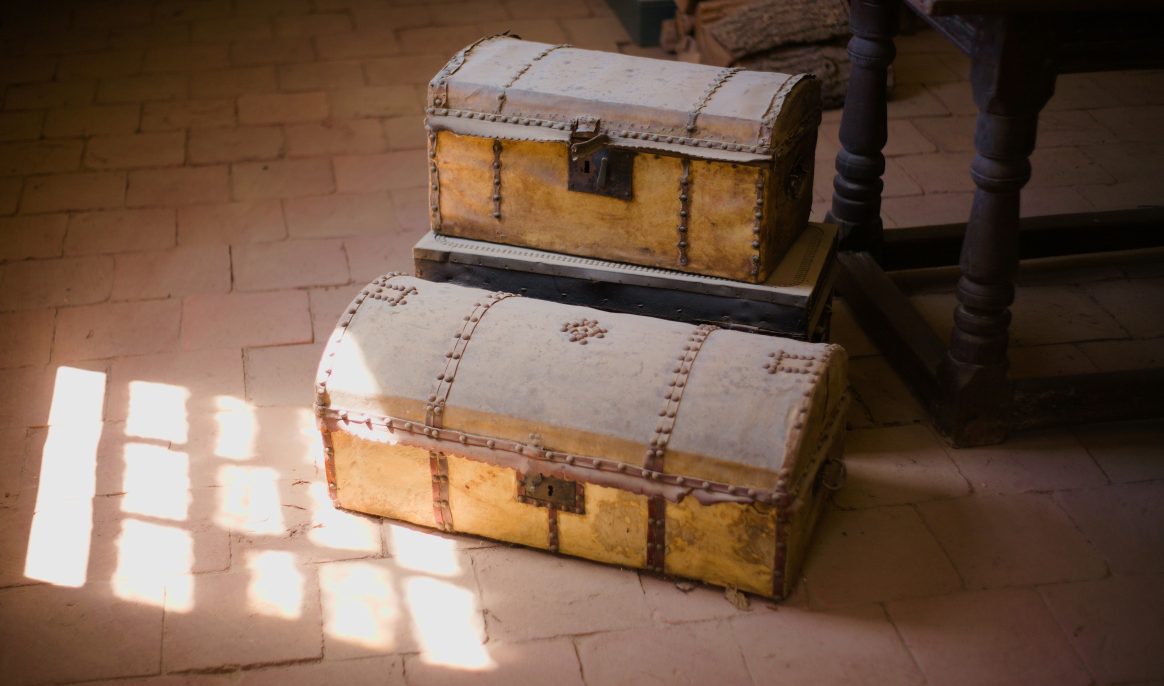
One thousand lire, deposited on October 25, 1963, into a savings account at the Trieste Savings Bank, remained there for more than sixty years, forgotten amid dog-eared scripts and stage costumes in an actors’ trunk. That trunk eventually ended up in a garage in Pieve del Grappa, in the province of Treviso, where it remained locked away for decades.
It was Umberto Libassi, a 72-year-old theater actor from Margno, in the province of Lecco, who found it. The script had been in his name since childhood: his parents, who were also actors, had given it to him when he was nine years old, likely as a gift for a special occasion, as was customary at the time.
A pleasant discovery
Taking into account legal interest, monetary revaluation, capitalization, and compound interest accrued between the date of issuance and the date of discovery, the value of the savings account is estimated to exceed 50,000 euros. This estimate was provided by an expert commissioned by attorney Stefano Rossi of the Italia Association in Rome, whom Umberto Libassi turned to in order to initiate the reimbursement process.
From a legal standpoint, the case is far from straightforward. The Trieste Savings Bank no longer exists: according to the attorney, the obligation to reimburse would fall on UniCredit, which absorbed the former institution, as well as on the Ministry of Economy, jointly and severally. As for the statute of limitations, the lawyer argues that the time limits have not expired: the statute of limitations does not begin to run until the date the security was discovered, since the claimant was unaware of the existence of this claim prior to that date.
Mr. Libassi’s case is not an isolated one. According to Associazione Italia, there are some 10 million old debt instruments in Italy—including postal bonds, bank savings books, and Treasury bonds—that have never been cashed and may still be valid.
Share: