
©Unsplash
-
Apr 02, 2026 02:00
No need to live like a hermit or turn your bathroom into a Scandinavian torture chamber (known for its cold shower): just a few minutes less under hot water is enough to make a difference when it comes to consumption, bills and even your carbon footprint.
Limiting showering time can, in fact, reduce a household's energy consumption, CO₂ emissions and costs.
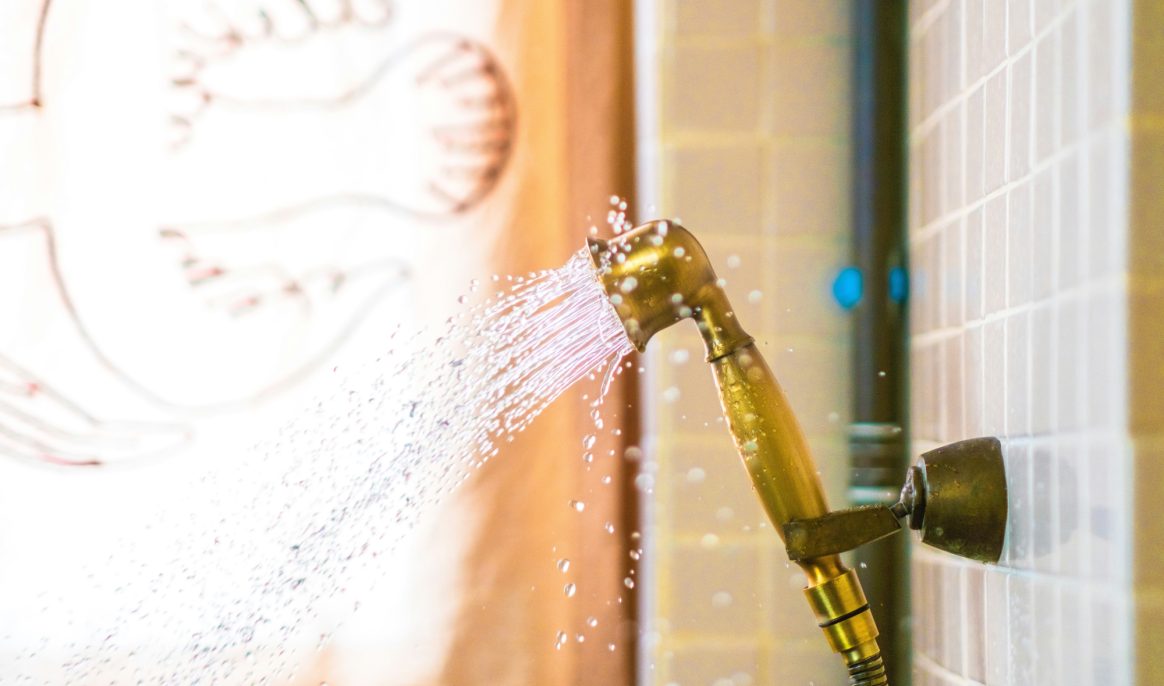
Did you know that an eight-minute shower can consume between 50 and 115 liters of water? A real domestic river! And it's not just the water, but the energy needed to heat it as well.
According to some European estimates, reducing the length of your shower by just three minutes a day could save you around 150 euros a year. This minor adjustment that doesn't just reduce your bills: you also reduce your carbon footprint by consuming less energy to heat the water to the temperature considered 'acceptable'.
Hot shower or heating?
Numerous studies have shown that the use of hot water is one of the most energy-intensive household behaviors, a fact ignored by many who, during the winter, prefer to focus on the consumption of radiators. Yet showering, carried out day after day, weighs heavily in the household's environmental balance sheet.
What distinguishes these two types of consumption, showering and radiators, is not so much about the technology as it is about the frequency with which we use them. The heating system works in cycles: it's programmed, adapts to the outside temperature and switches off when we leave the house. The boiler operates in a constant, controlled manner, with no sudden peaks. Hot water, on the other hand, arrives in bursts: the boiler rapidly ramps up, heating the water up to the desired temperature, and does so every time we open the mixer tap. This is an instantaneous and repeated consumption, which increases by the minute.
In conclusion, it's not a question of renouncing comfort, or turning showering into a survival exercise. It's about realizing that it's precisely this daily gesture, which has become almost automatic, that accounts for one of the highest energy consumption levels in the home. And when the heating system is optimized, it's the shower that makes the difference.
Share: