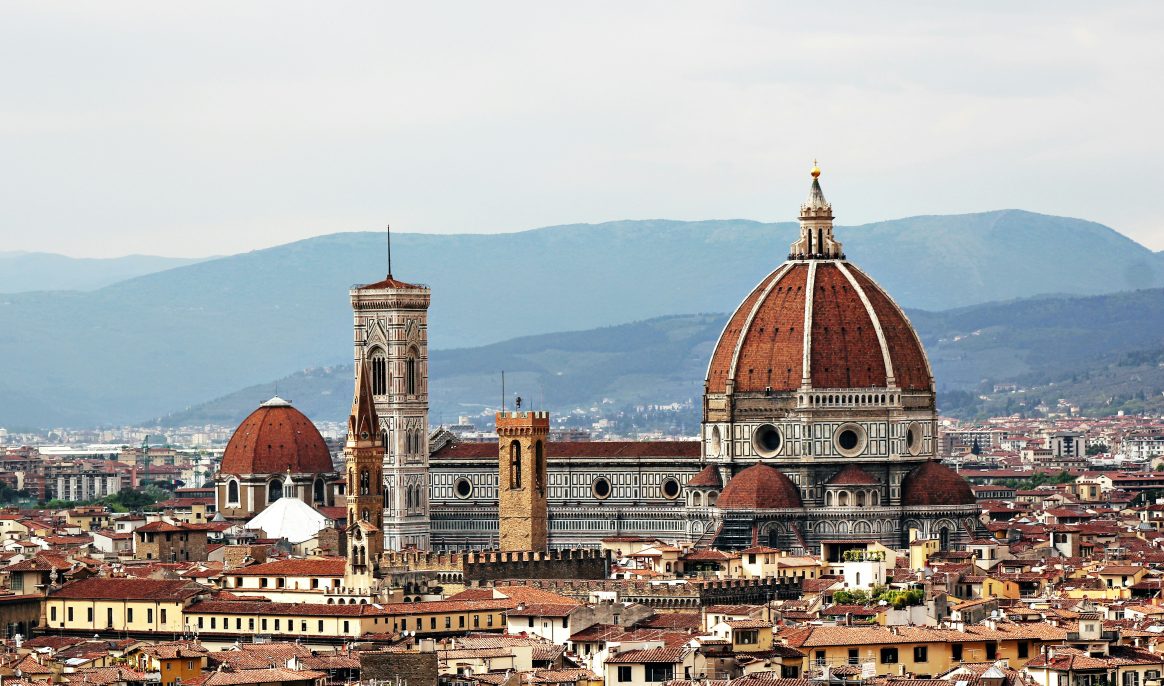
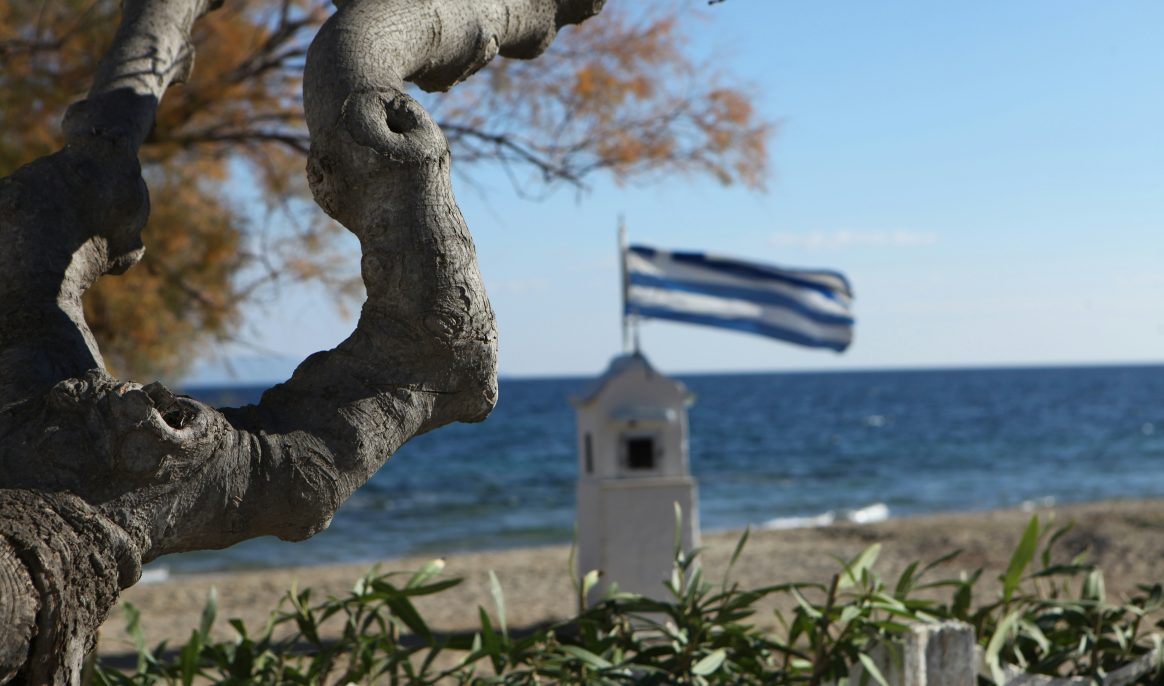
©Nikos Giann via Unsplash - photo d'illustration de l'île de Makri
-
Sep 19, 2026 10:00
Owning a private island seems to be a privilege reserved for billionaires. Yet in Greece, an island is being auctioned off at a surprisingly low price: less than the average cost of a house in the USA. But behind this dream offer lies a far more complex reality, made up of debts, environmental constraints and heavy building restrictions.
The island is called Makri, uninhabited and located in the Ionian Sea. In 2022, it was offered on the luxury real estate market for around 8 million euros, presented as the ideal location for exclusive resorts, private villas and high-end tourism. Today, however, the starting price has plummeted to around 250,000 euros.
An intriguing figure, especially when compared to the average price of a home in the USA, which is in the region of 450,000 euros.
Why does it cost so little?
The answer is simple: buying Makri also means inheriting a long series of legal, tax and environmental problems.
According to the Greek press, the island is burdened by over 20 million euros in debts and financial claims, including claims from the Greek State. What's for more, most of the real estate projects envisaged in the past are simply not feasible.
Makri is part of the protected areas of the European Natura 2000 network and is classified as an area of high ecological interest. In practical terms, this means that any construction project would require extremely complex authorizations, up to and including a presidential decree.
And that's not all: the island would also be classified as a protected forest zone, a detail that would further limit the possibility of building hotels, resorts or invasive tourist infrastructures.
An unspoilt natural paradise
Unlike many other Greek islands overwhelmed by overtourism, Makri has remained entirely unspoilt. This is the most interesting aspect of the story.
No luxury hotel complexes, no marinas or beach clubs... just rugged coastlines, crystal-clear waters and an abundance of Mediterranean biodiversity. A natural heritage that, today, could become an emblematic case of environmental protection in the face of real estate speculation.
In recent years, the island was heralded as the future flagship destination for international high-end tourism. Today, however, ecological constraints seem to have definitively put the brakes on any real estate mega-projects.
What could really be done on the island?
The possibilities for development are very limited. According to local media reports, Makri could be used primarily for sustainable agricultural activities or projects with low environmental impact.
To this end, whoever was to buy it would face exorbitant costs to install essential services such as electricity, drinking water and waste management systems.
In other words: more than a property investment, Makri today represents the delicate balance between environmental protection and tourism.
And perhaps this is where its true value lies: in having remained, at least for the time being, a rare corner of the Mediterranean that is still wild.
Share: