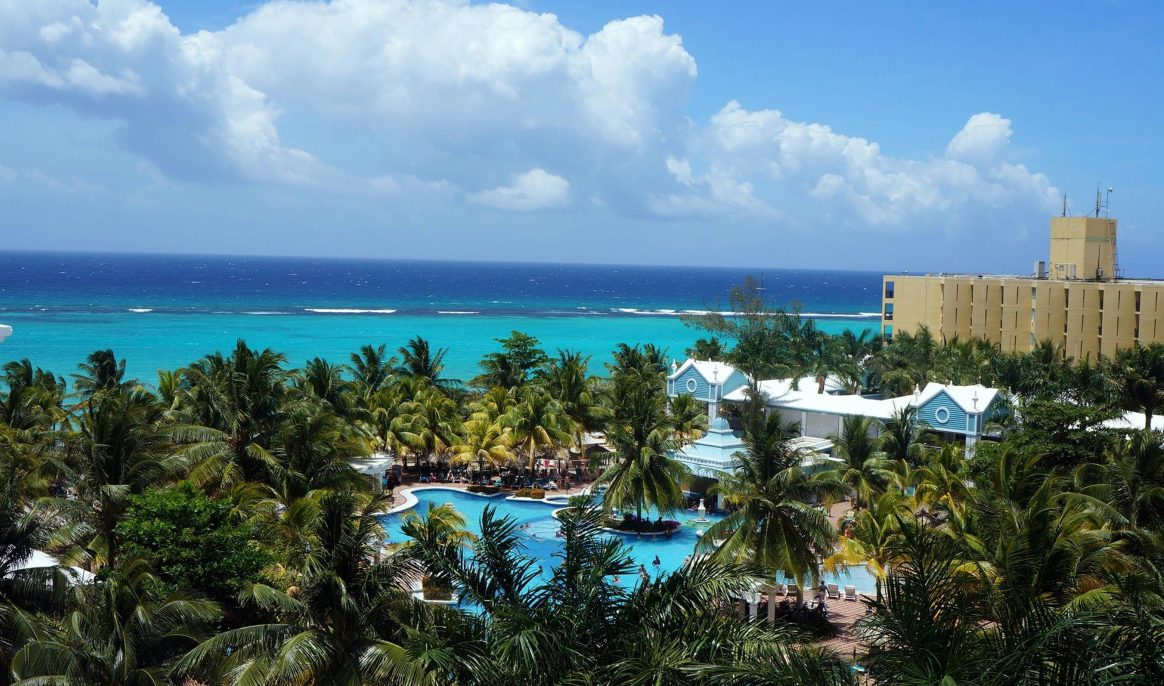
©Staicy Androose via Unsplash - photo d'Ocho Rios
-
Jul 08, 2026 11:08
In Jamaica, only 0.6% of beaches are accessible to citizens: there are now five lawsuits against hotel complexes and privatization efforts.
Turquoise waters, postcard-perfect beaches, and resorts overlooking the sea. The image of Jamaica that the international tourism industry sells to the world is indeed that of a tropical paradise, but for many Jamaicans, the reality is quite different: accessing the beaches on their own island is becoming increasingly difficult.
According to the Jamaica Beach Birthright Environmental Movement (JaBBEM), barely 0.6% of the island’s more than 1,000 kilometers of coastline is currently freely and openly accessible to the local population. This figure is fueling a growing movement against the privatization of the coastline and the expansion of luxury hotel complexes, private villas, and large tourist resorts primarily intended for foreign visitors.
And in recent months, the protest movement has reached a new stage. While the movement initially focused mainly on the cases of Blue Lagoon and Bob Marley Beach, five lawsuits have now been filed against these projects and the restrictions on beach access.
Lawsuits are scheduled for June and July 2026 regarding:
- Mammee Bay Beach, in the parish of St. Ann
- Little Dunn’s River, also in St. Ann
- Blue Lagoon, in the Portland region
- Bob Marley Beach, in the St. Andrew area
- Flankers-Providence Beach, in Montego Bay
The goal is to halt further privatization and secure recognition of citizens’ right to free access to the sea.
The sea as a common good
For activists, the issue is not just about tourism or the landscape. In many coastal communities, the sea remains a source of livelihood through small-scale fishing, small businesses, and traditional activities passed down from generation to generation.
“When we are cut off from the sea by being denied access to it, we are effectively condemned to starvation,” said Devon Taylor, president of JaBBEM.
Mammee Bay has become one of the symbols of this struggle. Where once fishermen’s boats dropped anchor and children from local communities played, there now stand tourist facilities and walls that restrict access to the beach. Similar situations are also being denounced in other areas of the island, where new real estate developments have gradually excluded residents from places historically used by the communities.
A colonial law still in effect
At the heart of the protests is the Beach Control Act of 1956. This regulation, introduced during the British colonial period, grants the state control over coastal areas and allows the government to grant usage rights to private entities.
According to JaBBEM, for decades this law has favored a development model that prioritizes large investors and multinational tourism companies at the expense of local communities’ rights. Activists openly refer to “plantation tourism,” a system reminiscent of the colonial logic of the past: natural resources are exploited, while a large portion of the economic profits leaves the country.
According to figures cited by the movement, of the approximately $4.3 billion generated by Jamaican tourism, only 40% actually remains in the national economy.
Luxury resorts and new developments
Concerns are set to grow. According to estimates, by 2030, nearly 10,000 new hotel rooms could be built on the island. Among the most controversial projects is the one planned for the Bob Marley Beach area, where Rastafarian communities and environmental groups are opposing the construction of a luxury resort costing approximately $200 million.
The Jamaican government claims it wants to improve public access to beaches and is working on a new coastal management policy. According to activists, however, changes are moving too slowly, and new tourist developments continue to be approved along the coastline.
For JaBBEM, defending the beaches is not just about the right of access to the sea. It's about protecting increasingly fragile coastal ecosystems, preventing the overdevelopment of the coastline, and ensuring that local communities can continue to live in harmony with their own land.
The issue has taken on even greater importance following the extreme weather events that have struck the island in recent years. For this reason, the reconstruction effort should serve as an opportunity to rethink Jamaica’s tourism development model, placing environmental protection and residents’ rights at the center of its priorities.
Share: