
©Jingming Pan via Unsplash - photo d'illustration
-
Aug 11, 2026 13:11
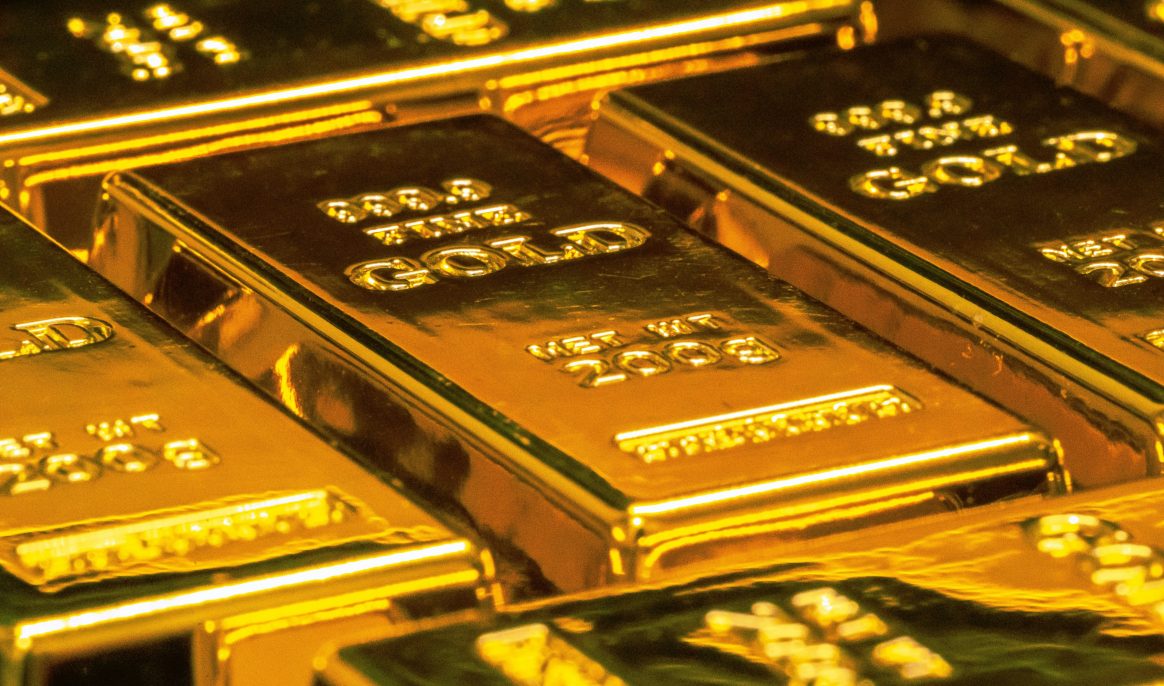
It is April 1942. The British cruiser HMS Edinburgh leaves the USSR bound for the United Kingdom with 465 gold bars on board. The treasure was intended to pay for war materiel supplied by the Allies, particularly American equipment.
Attacked by German forces, torpedoed, and then scuttled off the coast of Murmansk, the Royal Navy ship sank in the Barents Sea, killing fifty-eight sailors and taking its precious cargo with it, as reported by Popular Mechanics.
The wreck and its treasure remained underwater for nearly forty years. It wasn’t until the late 1970s that treasure hunter Keith Jessop decided to organize a consortium based on the “no find, no fee” principle. This contract would entitle him to 45% of the recovered value (if anything was recovered).
Only 5 ingots left in the water
Thanks to archival records and several survivor accounts, Jessop’s team managed to locate the ship some 400 kilometers northeast of Kola Bay. Extensive salvage operations were then undertaken amid unexploded ordnance. On September 16, 1981, 27-year-old diver John Rossiter confirmed the discovery of the gold.
An initial expedition recovered 431 ingots, then estimated to be worth approximately 40 million pounds sterling (equivalent to 47 million euros). The treasure was divided among the consortium, the United Kingdom, and the USSR. Twenty-nine additional ingots were brought ashore during a second operation conducted in 1986, leaving only five ingots on the seabed.
Share: