©Faith Crabtree via Unsplash
-
Jun 24, 2026 08:21
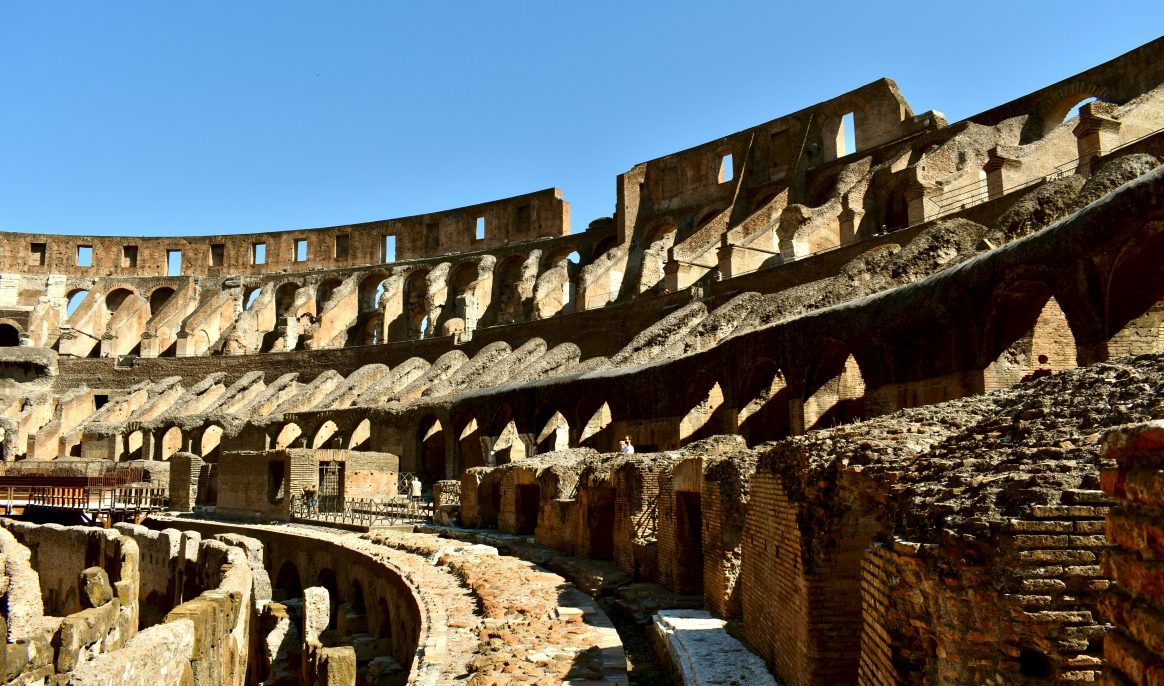
Roman concrete was not only strong; it was capable of self-repair. Fragments of quicklime trapped in the mixture, reactive volcanic ash, a “hot-mixing” process that generates heat… All these elements transformed the cement into a dynamic material capable of sealing cracks over time.
Today, this story is taking a new turn. This discovery hasn’t remained confined to a laboratory. It has become a venture. It has become a business. And that’s where things get really interesting.
From the MIT lab to the global market
The protagonist of this new phase is Admir Masic, an associate professor at MIT. In 2023, he published the study that would redefine our understanding of the longevity of Roman concrete. After demonstrating that the Romans used a hot mix capable of trapping reactive lime fragments—true “triggers” for self-repair—Masic decided not to stop at theory.
Three years after that publication, he founded a company, DMAT, with a specific goal: to bring a cement inspired by the principles of ancient Rome back to the market. Not a nostalgic replica of the past, but a contemporary material designed to last far longer than current standards.
In order to understand the economic impact of this choice, we must start with a simple observation: cement is the most widely used material in the world after water. All infrastructure—bridges, viaducts, schools, hospitals, and buildings—depends on it. And yet, modern cement deteriorates. It cracks. It requires constant maintenance, costly structural repairs, and never-ending construction projects.
Roman concrete, on the other hand, has withstood earthquakes, volcanic eruptions, submersion in seawater, and harsh weather for two thousand years. This is not merely a matter of archaeological nostalgia. It's a massive financial issue. If a material can self-heal as soon as microcracks appear, that means fewer repairs, less demolition, and fewer reconstructions. In short: less consumption of raw materials, less transportation, fewer emissions, and therefore a massive reduction in costs.
Fewer emissions, less maintenance, and less waste in contemporary construction
This is where the real environmental challenge comes in. The cement industry is responsible for a significant portion of global CO₂ emissions. Every metric ton produced takes a heavy toll on the environment. On the other hand, if a structure lasts two or three times as long, the balance changes radically. It’s not just about building better, but about building less in the long run.
The model developed by Admir Masic is based precisely on observing what happens inside Roman concrete: when water penetrates the cracks, fragments of quicklime dissolve and recrystallize, thereby filling the gaps. At the same time, volcanic ash—such as that which buried Pompeii in 79 AD—reacts chemically over time to create new minerals that strengthen the structure. It’s a truly evolving system.
Applying this principle to modern cement means envisioning more sustainable infrastructure and cities less dependent on ongoing construction projects. The Roman concrete business represents a proposal for systemic change. Admittedly, the challenges remain significant. Reproducing an ancient process on a large scale is no quick fix: raw materials differ, regulations are strict, and the cement industry is one of the most consolidated in the world. But the idea isn’t to turn back the clock. It’s about learning from the past to correct the mistakes of the present.
Source: Science – DMAT
Share: